Page 736 - Economia Azul - versão: inglês
P. 736
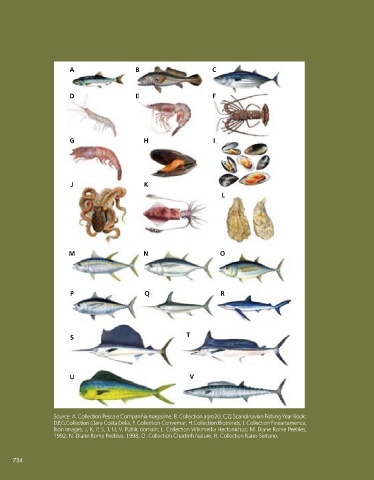
Figure 2. Fish resources most caught in   L. Oyster (Ostrea sp.),
                      A                  B                      C                                                                Brazil: A. Sardine (Sardinella brasiliensis),   M. Slab yellowfin tuna (Thunnus albacares),
                                                                                                                                 B. Corvina (Micropogoniasfurnieri),      N. mandolin yellowfin(Thunnusobesus),
                                                                                                                                 C. Skipjack tuna (Katsuwonuspelamis),    O.White yellowfin tuna (Thunnus alalunga),
                      D                  E                      F                                                                D. Atlantic seabob (Xiphopenaeuskroyeri),   P. Yellowfin tuna (Thunnus atlanticus),
                                                                                                                                 E. Pink Shrimp (Penaeussubtilis),        Q. Swordfish (Xiphiasgladius),
                                                                                                                                 F. Lobster (Panulirussp.),               R. Blue Shark (Prionace glauca),
                                                                                                                                 G. White shrimp (Penaeusschmitti),       S. Sailfish (Istiophorusalbicans),
                                                                                                                                 H. Mussel (Perna perna),                 T. Green Marlin (Tetrapturuspfluegeri),
                      G                     H                   I                                                                I. Charru mussel (Mytelasp.),            Golden
                                                                                                                                 J. Octopus (Octopus vulgaris),           U. (Coryphaenahippurus),
                                                                                                                                 K. Squid (Loligosp.),                    V. Black Mackerel (Acanthocybiumsolandri).
                                                                                                                                    Although marine fishing activity in Bra-  decision to publicly share vessel monitoring
                                                                                                                                 zil is stagnant, and coastal fishing is charac-  system data on the Global Fishing Watch
                      J                     K                                                                                    terized by being artisanal and low yielding   map, Brazil increases governance over its
                                                                   L                                                             (XIMENES, 2021), it can still be considered   fleets operating in jurisdictional waters,
                                                                                                                                 as one of the most traditional activities for   setting an important example and improv-
                                                                                                                                 the inhabitants of all four Brazilian coastal   ing fisheries transparency across the region.
                                                                                                                                 regions, contributing BRL 5 billion to GDP   Global Fishing Watch and the Brazil-
                                                                                                                                 and generating 3.5 million direct and indi-  ian authorities work together to ensure
                                                                                                                                 rect jobs (RUFFINO et al., 2016). Since the   good fisheries management and promote
                     M                     N                      O                                                              discontinuation of the National Fisheries   the sustainability of the country’s fisher-
                                                                                                                                 Statistics Program in 2009, Brazil has been   ies, which include high-value species such
                                                                                                                                 experiencing a scenario  of few perspec-  as Brazilian  sardines, tuna, lobsters, and
                                                                                                                                 tives in terms of fisheries statistics, making   other demersal species.  Since 2007, Bra-
                      P                     Q                     R                                                              it much more complex to assess the degree   zil has employed a vessel tracking system
                  3. O processo de qualificação da os para o mar – situação atual                                                of vulnerability of fish stocks in the country.  for monitoring (Programa Nacional de Ra-

                                                                                                                                    On the other hand, despite the lack of   streamento de Vesqueiras Pesqueiras por
                                                                                                                                 statistical data for the Brazilian fishing sec-  Satélite - PREPS), control and surveillance of
                                                                                                                                 tor in the last 12 years, Brazil signed a data   its national fishing fleet. Over the years, the
                      S                                 T                                                                        sharing memorandum of understanding in   program has helped verify fishing authori-
                                                                                                                                 April 2021 between Global Fishing Watch,   zations, monitor, and analyze fishing activ-
                                                                                                                                 website  providing  global  information  on   ities and evaluate some fisheries manage-
                                                                                                                                 commercial fishing activities, and the Min-  ment measures. The partnership between
                      U                                  V                                                                       istry of Agriculture, Livestock and Supply,   Global Fishing Watch and the Secretariat of
                                                                                                                                 represented by the Secretariat of Aquacul-  Aquaculture and Fisheries of the Ministry of
                                                                                                                                 ture and Fisheries. This agreement marked   Agriculture, Livestock and Supply Chain is a
                                                                                                                                 the official  beginning of Brazil’s collabo-  great opportunity for the Brazilian fisheries
                 Source: A. Collection Pesca e Companhia magazine; B. Collection agro20; C, Q. Scandinavian Fishing Year Book;   ration, marking an important milestone   sector to show its intention to promote the
                 D, E, G. Collection Clara Costa Delia; F. Collection Convemar; H. Collection Biotrends; I. Collection Fineartamerica,   in the journey towards data transparency   modernization of fisheries management in
                 Ikon Images; J, K, P, S, T, U, V. Public domain; L. Collection Wikimedia Hectonichus; M. Diane Rome Peebles,
                 1992; N. Diane Rome Peebles, 1998; O. Collection Chartinh Nature; R. Collection Kano Serrano.                   and equitable ocean governance. With the   the Brazilian Economic Zone.


     734   BLUE ECONOMY                                                                                                                                                          Fishing Exploitation in the Brazilian Economic Zone 735
     734
   731   732   733   734   735   736   737   738   739   740   741